Humane Bird and Bat Deterrent Methods for Large Buildings
People seeking humane bird and bat deterrent methods for large buildings aim to prevent wildlife damage ethically, and local service providers can implement effective, humane solutions.
If you own or manage large buildings in the area, understanding humane bird and bat deterrent methods can be an important part of maintaining a safe and clean environment. Birds and bats often seek shelter in large structures, which can lead to issues such as debris buildup, noise, and potential health concerns. Exploring effective, humane strategies to deter these animals not only helps protect the building’s integrity but also ensures that local wildlife is treated with care and respect. Property owners who take proactive steps to manage bird and bat activity may find it easier to prevent infestations and avoid costly cleanup or damage.
Many local service providers specialize in humane bird and bat deterrent methods tailored for large buildings. These professionals can assess specific property needs and recommend practical solutions that discourage unwanted animal presence without causing harm. Connecting with experienced contractors can help ensure that deterrent methods are both effective and compliant with best practices for humane wildlife management. Keep reading to learn more about the options available and how local experts can assist in implementing humane bird and bat deterrent methods for large buildings.
- Humane Bird and Bat Deterrent Methods for Large Buildings - Property owners seeking to prevent bird and bat roosting on large structures can rely on local contractors experienced in humane exclusion techniques.
- Humane Bird and Bat Deterrent Methods for Large Buildings - When large buildings experience persistent bird or bat presence, service providers can implement humane deterrent systems that discourage nesting without harm.
- Humane Bird and Bat Deterrent Methods for Large Buildings - For buildings with ongoing issues of bird droppings or bat activity, local pros can install humane barriers and deterrents tailored to large-scale structures.
- Humane Bird and Bat Deterrent Methods for Large Buildings - Property managers dealing with large building pest issues can work with local experts to develop non-lethal solutions that protect the building’s integrity and local wildlife.
- Humane Bird and Bat Deterrent Methods for Large Buildings - When humane bird and bat deterrent methods are needed to address large building infestations, local service providers can assess and implement effective, non-invasive strategies.
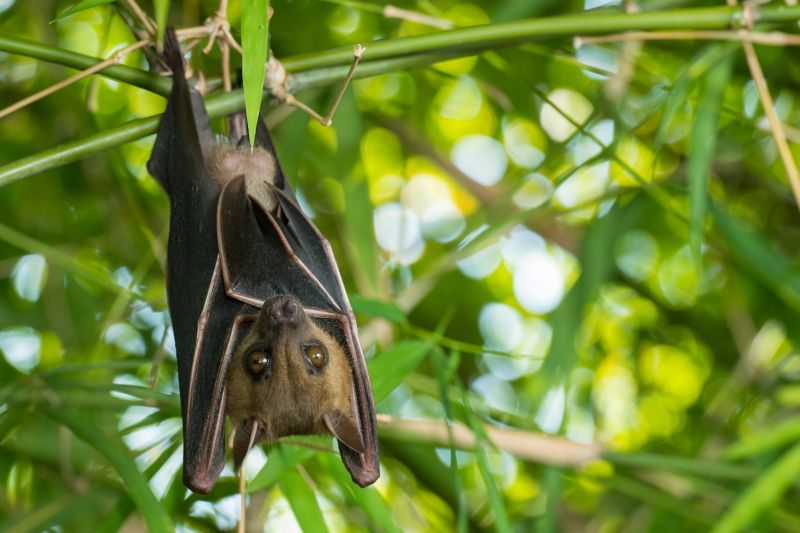
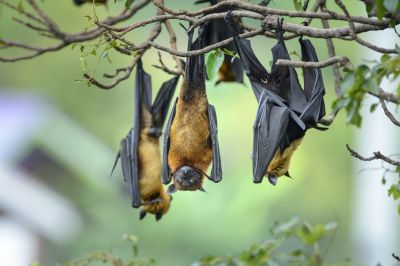
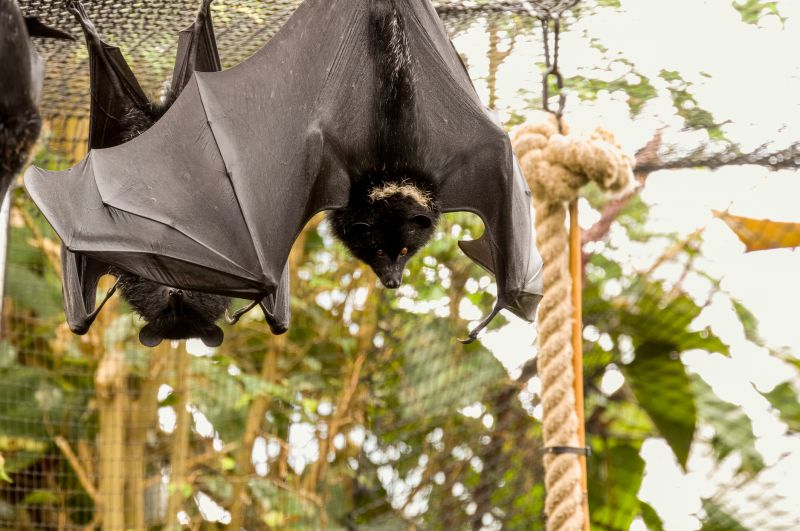
When searching for information on humane bird and bat deterrent methods for large buildings, most people are looking for ways to prevent these animals from roosting, nesting, or causing damage without harming them. Large structures such as office complexes, warehouses, shopping centers, and industrial facilities often attract birds and bats because of their expansive ledges, eaves, or unused spaces. Property owners and managers want effective solutions that keep animals away while complying with humane standards and avoiding damage to the building’s exterior or reputation. This topic often comes up in the context of ongoing pest management plans or as part of property maintenance to ensure that wildlife does not become a persistent problem.
The problems connected to large buildings and bird or bat activity include the accumulation of droppings, which can lead to structural deterioration or unsightly conditions. Birds and bats can also create noise issues, block vents or chimneys, and pose health risks through the spread of disease. Property owners may plan to implement deterrent methods during building renovations, new construction, or routine maintenance to reduce these concerns effectively. Many projects involve evaluating the specific types of animals involved, the building’s design, and the surrounding environment to develop humane strategies that discourage roosting or nesting without causing harm.
Properties that typically come up in discussions about humane deterrent methods include commercial office buildings, industrial warehouses, shopping malls, hospitals, and large apartment complexes. These structures often have features like rooftop ledges, open eaves, and other architectural elements that provide ideal nesting or roosting spots for birds and bats. Additionally, historic buildings or structures with aged facades may be especially vulnerable to animal activity, making humane deterrent solutions necessary to protect both the property’s integrity and its occupants. Local service providers familiar with these types of properties can assess the specific needs and recommend humane, effective measures tailored to each situation.
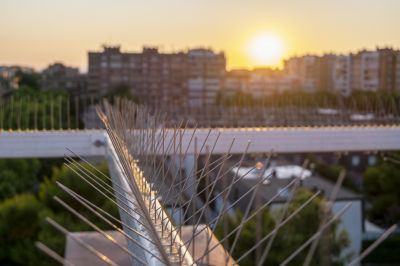
For property owners or managers exploring humane bird and bat deterrent methods for large buildings, understanding how local contractors approach these projects is key. These professionals often use a combination of physical barriers, exclusion devices, and habitat modification techniques that are designed to be humane and non-invasive. They can help evaluate the building’s architecture, identify entry points, and install deterrents such as bird spikes, netting, or one-way doors that allow animals to leave but prevent re-entry. Connecting with experienced local service providers ensures that the chosen methods align with the property’s needs, creating a long-term solution that reduces animal activity while respecting wildlife.
Bird exclusion projects involve installing physical barriers and deterrents on large buildings, requiring planning and knowledge of humane methods similar to those used for bird and bat deterrent systems.
Wildlife-proofing services focus on humane exclusion techniques to prevent animals from accessing building structures, aligning closely with humane bird and bat deterrent strategies.
Building retrofitting for wildlife prevention includes modifying existing structures to discourage bird and bat roosting, utilizing planning skills and humane deterrent tools similar to those in large building projects.
Rooftop wildlife deterrent installations involve implementing humane methods to keep birds and bats away from building rooftops, requiring expertise in humane exclusion tools and planning.
Urban wildlife management projects address humane removal and deterrent methods for various species, sharing skills with humane bird and bat deterrent methods for large structures.
Exclusion device installation services include fitting humane deterrents on large buildings, demanding similar planning, tools, and techniques used in bird and bat deterrent projects.
When evaluating service providers for humane bird and bat deterrent methods for large buildings, it is important to consider their experience with similar projects. Contractors who have a history of working on large-scale buildings or structures similar to your property are more likely to understand the unique challenges involved. Asking about their past projects can provide insight into their familiarity with effective humane deterrent strategies and their ability to handle the specific needs of large buildings, ensuring the work is performed efficiently and appropriately.
Clear written expectations are essential when comparing local contractors for humane bird and bat deterrent methods. A detailed scope of work should outline the methods to be used, the steps involved, and what the property owner can expect during and after the project. Well-documented expectations help prevent misunderstandings and ensure that both parties are aligned on the goals and procedures. This clarity can also serve as a reference point throughout the project, making it easier to address any questions or concerns that may arise.
Reputable references and good communication are key factors in selecting a reliable service provider. Contractors who can provide references from previous clients demonstrate transparency and a track record of successful projects. Additionally, effective communication-whether through timely responses, clear explanations, or willingness to answer questions-helps build trust and confidence in the contractor’s ability to deliver quality results. When comparing local pros, prioritizing those with proven reputations and open lines of communication can lead to a smoother, more predictable experience in implementing humane bird and bat deterrent methods for large buildings.
Property owners often search for humane bird and bat deterrent methods for large buildings when they are planning practical projects around their homes and businesses. Local pros provide Humane Bird and Bat Deterrent Methods services for everyday jobs and straightforward project options.

Property owners dealing with bird and bat activity on large buildings often seek humane deterrent methods to address the issue effectively. These situations might include unwanted roosting or nesting that can lead to property damage, health concerns, or aesthetic issues. Local contractors specializing in humane bird and bat deterrent methods can provide solutions designed to discourage these animals without causing harm, ensuring compliance with local regulations and promoting ethical treatment. Many property managers and building owners look up this topic to find professional services that can help manage pest activity while maintaining a safe and humane environment.
Choosing the right service providers can make a significant difference in handling bird and bat concerns on large structures. Local service providers typically offer a range of humane deterrent options tailored to the building’s design and specific needs. They can assess the situation and recommend methods such as bird netting, visual deterrents, or exclusion techniques that prevent animals from roosting or nesting. Property owners are encouraged to explore these services to find experienced local contractors capable of implementing effective, humane solutions that protect their property and support ethical wildlife management.
What are humane bird and bat deterrent methods for large buildings? Humane bird and bat deterrent methods for large buildings include visual, auditory, and physical techniques designed to discourage these animals from roosting or nesting without causing harm. Local contractors can assess building specifics to recommend effective solutions that prioritize animal safety. These methods often involve bird spikes, netting, repellents, or habitat modification to make the area less attractive.
How do humane deterrent methods prevent birds and bats from nesting? Humane deterrent methods work by making the building less inviting for nesting or roosting, such as installing physical barriers or using visual and auditory deterrents that animals find unpleasant. Local service providers can customize these approaches to suit the building’s design and location, ensuring animals are discouraged without injury. Proper installation helps redirect birds and bats to more suitable habitats nearby.
Are humane deterrent methods effective for large buildings? Yes, humane deterrent methods can be effective when properly implemented by experienced local contractors. Effectiveness depends on choosing the right combination of techniques suited to the specific species and building features. Regular maintenance and monitoring by service providers help ensure continued success in deterring birds and bats humanely.
What types of humane deterrent solutions do local pros typically offer? Local pros often offer solutions such as bird spikes, netting, visual scare devices, sound deterrents, and habitat modification. These options are designed to prevent birds and bats from settling on large buildings while ensuring humane treatment. A professional assessment helps determine the most appropriate combination of methods for each property.
How can I ensure that humane bird and bat deterrent methods are properly installed? Ensuring proper installation involves hiring experienced local service providers who understand humane deterrent techniques and building safety standards. They will evaluate the building, recommend suitable solutions, and install them correctly to maximize effectiveness and animal safety. Regular inspections by professionals can help maintain the integrity of the deterrent system.
Bird and Bat Deterrent Device Installation - Property owners can work with local contractors to install humane deterrent devices on building exteriors, preventing birds and bats from roosting.
Exclusion Barrier Setup - Local service providers can help set up physical barriers that gently exclude birds and bats while allowing airflow and light.
Habitat Modification Strategies - Local pros can advise on modifying building features or nearby environments to make them less attractive to birds and bats.
Ongoing Deterrent Maintenance - Regular upkeep of humane deterrent systems ensures continued effectiveness and prevents unwanted wildlife from returning.
If you are thinking about humane bird and bat deterrent methods for large buildings for a property, this guide is meant to help you understand this topic, the typical project types, and how different options might fit your plans.
When you are ready, you can use the quote form on this page to share a few details about your project. From there, local pros can review the basics and follow up with options that match what you have in mind.